Specialty barbells are great in adding variation to workouts, work around injuries and target specific muscle groups.
When I first waked into gym back in 1988 I was quickly introduced to my split program and keen to put on some mass. I used the straight bar, dumbbells, plate loaded machines and finished of my workouts striving for that body pump using cables. I never paid any attention to those rusty and unusual looking specialty barbells tucked away in the corner. They were dusty and clearly had not been used for a while. Nor did any instructor introduce me to them and incorporated them into my program.
It was a classic old school gym that had been opened for several decades before I walked in and fully equipped. It was the late 80 fitness boom, only a few old lifters still focusing on classic physical culture.
To date, and as a professional trainer a lot has changed. With the advent of the internet making, it easier for research and purchasing products. Plus, the obvious improvement of manufacturing and direct delivery to your door. We are fortunate to have ready access some great gym and exercise equipment.
Even the tutorials on offer make it simpler to make decision on separating you from you hard earned cash.
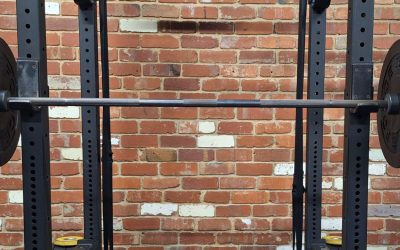
This has allowed for many of us to have a home set up in the spare room, outside under cover or garage with one of the first purchases been the straight bar. A standard bar is around 20kgs and choosing the right one is suitable for power lifting, Olympic weightlifting or general use. An all round performer.
What about the use of the specialty barbells? And what do they offer? These barbells offer a variety of benefits that standard barbells might not provide. They are particularly useful for improved technique, focusing on weaknesses, working with injuries, or variation to workouts.
Some common specialty barbells and their uses.
Safety Squat Bar. This bar has a camber at both ends, shifting the centre of gravity forward aiding with balance. It requires a more upright position promoting posture and core activation. Its unique design reduces the strain on the lower back, shoulders, elbows and wrist. A useful design for those with dexterity limitations and those lacking mobility.
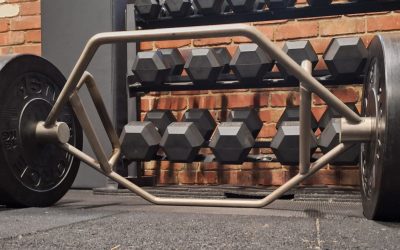
Trap Bar (hex). This bar is shaped like a hexagon, where you stand in the middle. It has a good balance point, easier to teach, less stress on the spinae erectors and reduces lower back pain. An alternative to the deadlift suitable for beginners and sports athletes. An excellent choice for heavy farmers walks and shrugs.
Swiss bar with its various grips. This bar has neutral grip handles, a set pointing out in a V shape and when turned the other way an A shape. The neutral grip can reduce stress on the shoulders and wrists during movements like bench presses and overhead press. Great for clients with minor shoulder injuries/niggles. I use the angled grips for inner chest work and other side for an excellent triceps workout.
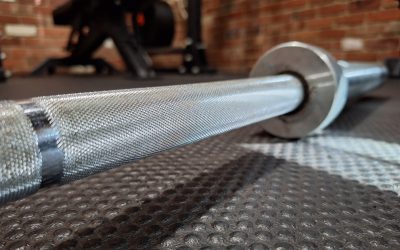
Axle bar/fat bar. A thicker bar than a standard barbell. This design improves grip strength and often used for strongman training. An excellent choice for clients who want to develop grip strength or assist with bodyweight movements like chin ups. And a great variation to workouts.
EZY Bar. The Ezy curl bars have been around for along as I’ve been training. They are great for those who have issues performing curls with a straight bar. With its zigzag shape and generally a narrow and wide grip works both heads of the biceps. With either triceps extension or skull crushers working the tris makes it a great bar to have. in your arsenal.
Other barbells to consider.
Cambered bar. This bar has a curved design like the safety squat bar minus the extended handles. The dropped sleeves helps stabilize your centre of gravity. Thus, boosting the safety of the exercise reducing the strain on your wrists and shoulders. Often used for bench press, rows and squat.
Log Bar. A solid looking bar that is cylindrical in shape with neutral grip handles placed inside. A neutral grip reduces stress to the shoulders and wrists. An ideal tool for overhead presses. This heavy-duty bar is often seen in strongman competitions designed to imitate a large log. Also, effective when training cleans and rows. Therefore, when looking at something different or strongman training, a necessary piece of equipment to own.
Incorporating specialty barbells into your program and where to purchase.
In short, most specialty barbells are designed to make an exercise feel more comfortable, specialised and easier. Working around dexterity, mobility and injury thus, making them ideal when incorporating then into your routine, both as a variation to the regular straight bar or to target the stabilizer muscles changing the stimulus and preventing overuse injuries to occur.
As a personal trainer I have serval bars in my arsenal when delivering training services. The safety squat bar is ideal for individual who lack the shoulder dexterity, while the trap bar is an excellent tool to first teach the deadlift to beginners.
Lastly, with a quick search on the internet you can find some great suppliers that have a range of specialty bars to suit your needs and budget. Therefore, I recommend little bloke fitness, Rogue fitness Australia Sams fitness and Iron edge as a start.